2026-10-29 ·
Leak Challenges in Pre-1970 Sacramento Neighborhoods
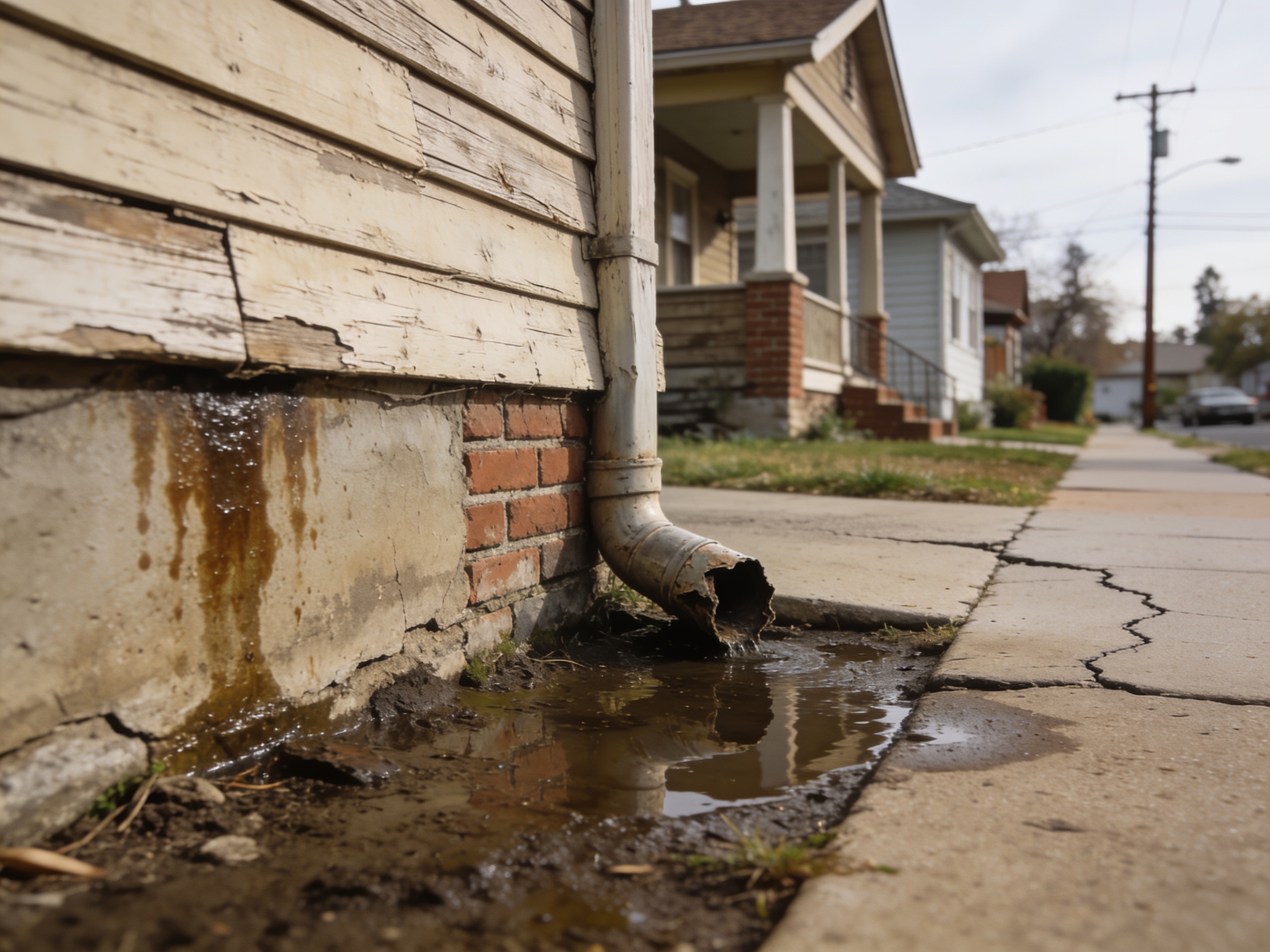
Pre-1970 homes in Sacramento neighborhoods such as Land Park, Oak Park, and East Sacramento commonly encounter leaks from galvanized steel pipes that have exceeded their typical 40-60 year service life combined with cool wet winters that accelerate corrosion at joints. These properties, built before modern copper or PEX systems became standard, sit on soil that expands during the rainy season and contracts in hot dry summers, stressing buried lines running under slabs or through walls. Downtown Sacramento and North Sacramento blocks show similar patterns where original cast iron drains crack under repeated moisture exposure from the American River Parkway watershed drainage.
Galvanized Pipe Corrosion Patterns
Homes constructed before 1970 in Midtown and South Sacramento often retain the original galvanized supply lines that develop interior rust buildup, narrowing flow and creating pinhole leaks at threaded connections. The county's cool wet winters keep soil moisture high from November through March, promoting external oxidation on any exposed sections near foundations. Hot dry summers then cause ground shrinkage that pulls on those same lines, widening small breaches until water migrates into drywall cavities. Technicians tracing these issues frequently start at the water heater or main shutoff and follow moisture gradients toward the street connection. Readers can review detailed inspection steps in the related guide on hidden plumbing leaks.
Seasonal Moisture Intrusion in Older Walls
Winter rains in Sacramento County push water against stucco and wood siding on pre-1970 structures in Oak Park and Land Park, where original flashing details have often deteriorated. Once moisture penetrates, it travels along lath and plaster or early drywall seams, creating hidden saturation zones that only appear after interior paint begins to bubble. The shift to hot dry summers then traps that residual moisture behind finishes, promoting mold growth along baseboards. Slab-on-grade homes common in these neighborhoods allow water from roof edges or irrigation to migrate under the perimeter and enter wall cavities from below. Detection work therefore focuses on mapping moisture gradients rather than chasing visible stains alone. Additional guidance appears in the post covering signs after Sacramento winter rains.
Slab and Foundation Line Vulnerabilities
Many pre-1970 residences in East Sacramento and Rancho Cordova sit on concrete slabs with copper or galvanized supply lines embedded at the time of construction. Soil movement from the region's wet-dry cycle creates hairline cracks that allow pressurized water to escape undetected until drywall moisture readings rise on interior walls. Pipe leak detection methods that combine acoustic listening with thermal imaging help isolate these failures without unnecessary demolition. Properties near the American River Parkway also contend with higher water tables during peak winter flows, increasing external pressure on any compromised joints. See the dedicated slab leak detection service page for the equipment sequence used on these older slabs.
Practical Scheduling for Local Inspections
Property owners in Downtown Sacramento and surrounding neighborhoods can arrange evaluations Monday through Friday between 8am and 6pm or Saturday from 9am to 2pm when access to crawlspaces and shutoffs is easiest. Scheduling during the shoulder seasons avoids the peak winter rain period when active leaks are hardest to isolate from background moisture. Thorough documentation of pipe age, previous repairs, and recent moisture meter readings shortens on-site time and reduces exploratory openings in finished surfaces. This approach keeps disruption low while addressing the specific material and climate factors that define leak work in Sacramento's older housing stock.