2026-10-29 ·
Signs of Drywall Leaks After Sacramento Winter Rains
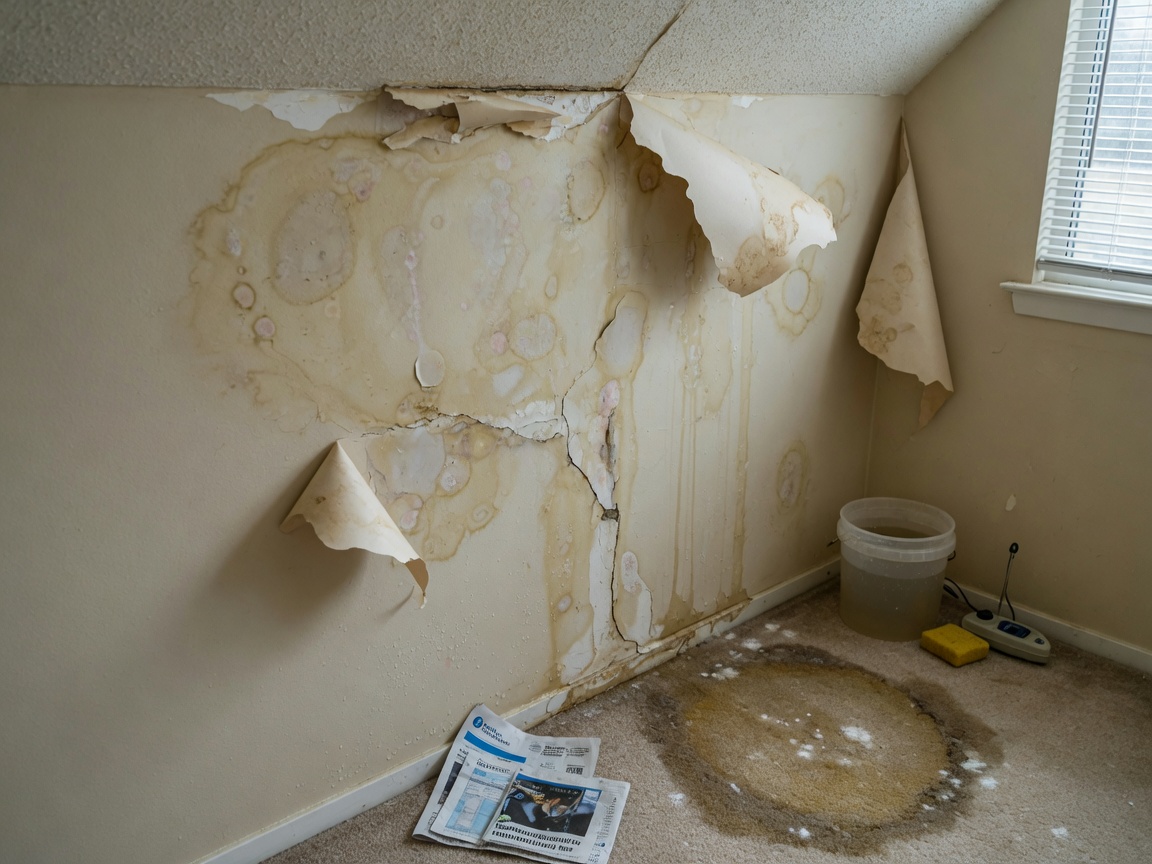
After Sacramento's cool wet winters, the most common signs of drywall leaks appear as yellow-brown water stains along ceiling edges or lower walls within 2–4 weeks of heavy rainfall, especially in homes built before 1970 in Midtown and East Sacramento.
Visible Staining and Discoloration
Winter rains saturate soil around foundations in Downtown Sacramento and North Sacramento, pushing moisture through older pipe joints. Homeowners notice yellow-brown stains spreading 12–18 inches across ceilings near bathrooms or kitchens. These marks darken further with each storm cycle because Sacramento's cool wet winters deliver repeated saturation without the drying effect of hot dry summers. In pre-1970 homes the plaster and drywall layers absorb water differently than modern materials, creating distinct halo patterns. Checking for stains right after a storm helps isolate whether the source sits in roof valleys near the California State Capitol area or in wall cavities along the American River Parkway corridors. Early spotting prevents the need for larger repairs later in the season.
Warping, Bubbling, and Texture Changes
Drywall expands when it holds moisture from winter leaks, producing bubbling tape joints and soft spots that feel spongy under light pressure. In Land Park and Oak Park, where many homes feature original lath-and-plaster, the outer layer separates from the substrate after repeated rain events. South Sacramento properties near older sewer lines often show vertical ripples along exterior walls because clay soils retain water longer than sandy areas. These texture shifts usually measure 6–12 inches wide and worsen when temperatures rise in spring. Residents who run a hand across suspect areas can feel the difference between firm drywall and compromised sections before visible mold appears.
Musty Odors and Hidden Mold Growth
Persistent musty smells after Sacramento winter rains signal trapped moisture behind drywall in Midtown and Rancho Cordova homes. The cool wet winters keep indoor humidity elevated long enough for mold colonies to form within 48–72 hours inside wall cavities. Odors concentrate near baseboards in South Sacramento because slab-on-grade construction allows water to wick upward from saturated soil. Homeowners can confirm the issue by comparing indoor air near suspected walls with air in unaffected rooms. When the smell returns within hours of opening windows, the leak remains active rather than residual dampness from past storms.
When to Schedule Professional Drywall Moisture Detection
If stains exceed 12 inches, textures feel soft, or odors persist beyond one week of dry weather, contact a specialist for targeted testing. Drywall Moisture Detection uses non-invasive meters to map moisture levels without cutting walls in older Sacramento neighborhoods. For homes in pre-1970 areas, Leak Challenges in Pre-1970 Sacramento Neighborhoods explains how pipe materials react to seasonal shifts. Readers can also review How to Inspect for Hidden Plumbing Leaks in Sacramento Homes to prepare before booking an appointment. DryWall Leak Detection Co operates Mon–Fri 8am–6pm and Sat 9am–2pm to serve these inspections promptly.